Your home exterior works hard to protect your family from the elements all year. Siding acts as the primary shield against wind, rain, and sun. Many homeowners assume their exterior walls will last forever without much thought. However, all exterior materials have a finite lifespan. When panels fail, your house becomes vulnerable to moisture damage, pests, and energy inefficiency. Protecting this major investment means understanding exactly what makes your cladding last, and that often begins with hiring a knowledgeable siding contractor.
While manufacturers provide general estimates for how long their products endure, real-world longevity varies. A house in one neighborhood might need a replacement ten years before an identical house down the street. This variation happens because multiple variables interact to either preserve or degrade your exterior walls. By learning about these variables, you can make informed decisions that maximize your return on investment. Explore the top four factors that affect the lifespan of your siding.
1. Material Quality and Type
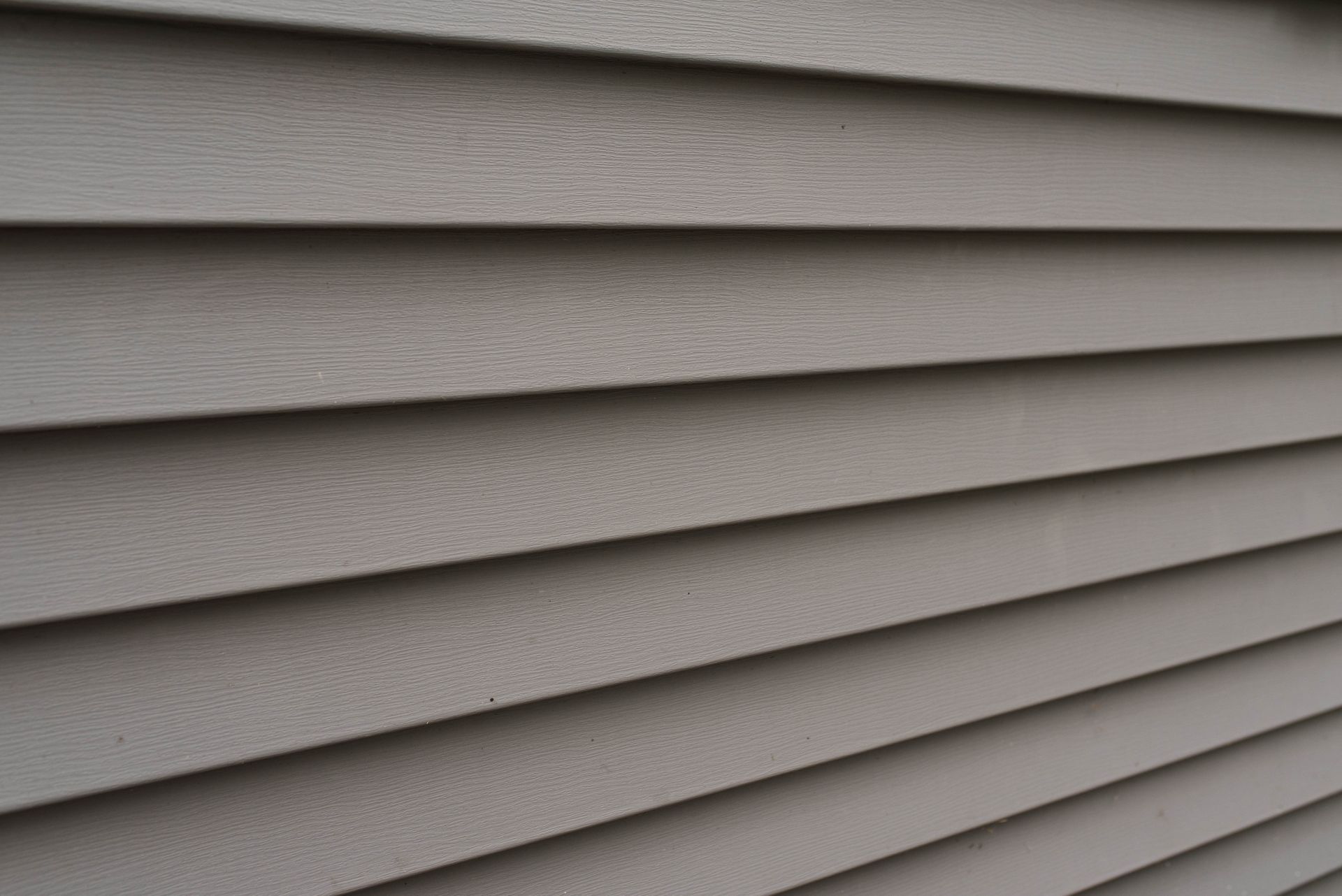
The specific material you choose serves as the foundation for how long your exterior will endure. Different materials naturally offer varying levels of resilience against environmental wear. Vinyl remains highly popular due to its affordability and low maintenance. Standard vinyl panels typically last for several decades. However, premium thickness vinyl can easily push past the standard lifespan because it resists impacts and thermal warping much more effectively than builder-grade options.
Fiber cement stands out as a durable alternative that offers an even longer life expectancy. This composite material resists rot, fire, and termites. Because fiber cement is heavy and requires specific cutting tools, the installation process demands specific expertise. Hiring an experienced siding contractor ensures the heavy panels are supported and fastened correctly. Proper handling prevents micro-fractures that could compromise the material long before its expected expiration date.
Wood offers a classic aesthetic that many homeowners love, but it presents unique longevity challenges. Cedar and redwood naturally resist some decay, yet they still require significant upkeep to reach a maximum lifespan spanning multiple decades. Alternatively, metal provides incredible longevity with very little maintenance. Steel completely resists fire and insect damage, while aluminum doesn't rust. Choosing a thicker gauge metal helps mitigate denting issues from hail.
2. Climate and Weather Conditions
Your local climate plays an immense role in determining how quickly your exterior materials will age. Homes in regions with intense sunlight face significant challenges regarding color fading. Ultraviolet rays break down the chemical bonds in paints and plastics. Over time, this constant exposure causes vinyl to become brittle and prone to cracking under slight pressure. UV-resistant coatings help, but constant sun will inevitably shorten the overall lifespan of any exposed material.
Temperature fluctuations also cause significant wear through a process called thermal expansion. Materials naturally expand when they get hot and contract when they cool down. In climates that experience freezing winters and scorching summers, this daily shifting places immense stress on the fasteners and the panels. When you consult a siding contractor about replacing your exterior, ask about materials formulated specifically for high-temperature variance. Fiber cement, for example, remains highly dimensionally stable regardless of temperature swings.
Moisture represents perhaps the most destructive force your home exterior will face. Areas that receive heavy rainfall require materials capable of repelling water completely. If water penetrates the outer layer, it can reach the structural sheathing underneath. Trapped moisture leads to mold growth, wood rot, and expensive problems. Severe weather events like hailstorms and hurricanes also inflict sudden physical damage that accelerates the aging process. Preparing for your specific regional weather patterns is essential for maximizing longevity.
3. Maintenance and Cleaning Routines
Even highly durable materials require routine maintenance to achieve their maximum potential lifespan. Dirt, algae, and bird droppings accumulate on the surface of your home over time. If left untreated, these organic materials slowly degrade the protective finishes on your exterior panels. Washing your house at least once a year removes these harmful substances and restores the original appearance. A simple solution of mild soap and water applied with a soft brush often works perfectly for routine cleaning.
Homeowners must exercise caution when using power washers to clean their homes. High-pressure water streams can easily force water behind the panels, leading to unseen mold growth inside the wall cavity. High pressure can also strip paint off wood and etch the surface of fiber cement. For most exterior cleaning, a low-pressure soft wash is the safest method. A knowledgeable siding contractor can recommend specific cleaning products and techniques tailored to your exact material to prevent accidental damage.
Regular visual inspections allow you to catch minor issues before they escalate into major failures. Walk around your property twice a year and look for cracked panels, loose fasteners, or peeling paint. Pay special attention to the areas around windows, doors, and the foundation line. These junctions are highly susceptible to water intrusion. By maintaining a proactive approach to minor repairs and sealing gaps, you pause the degradation process and add years to your home.
4. Installation Techniques and Workmanship
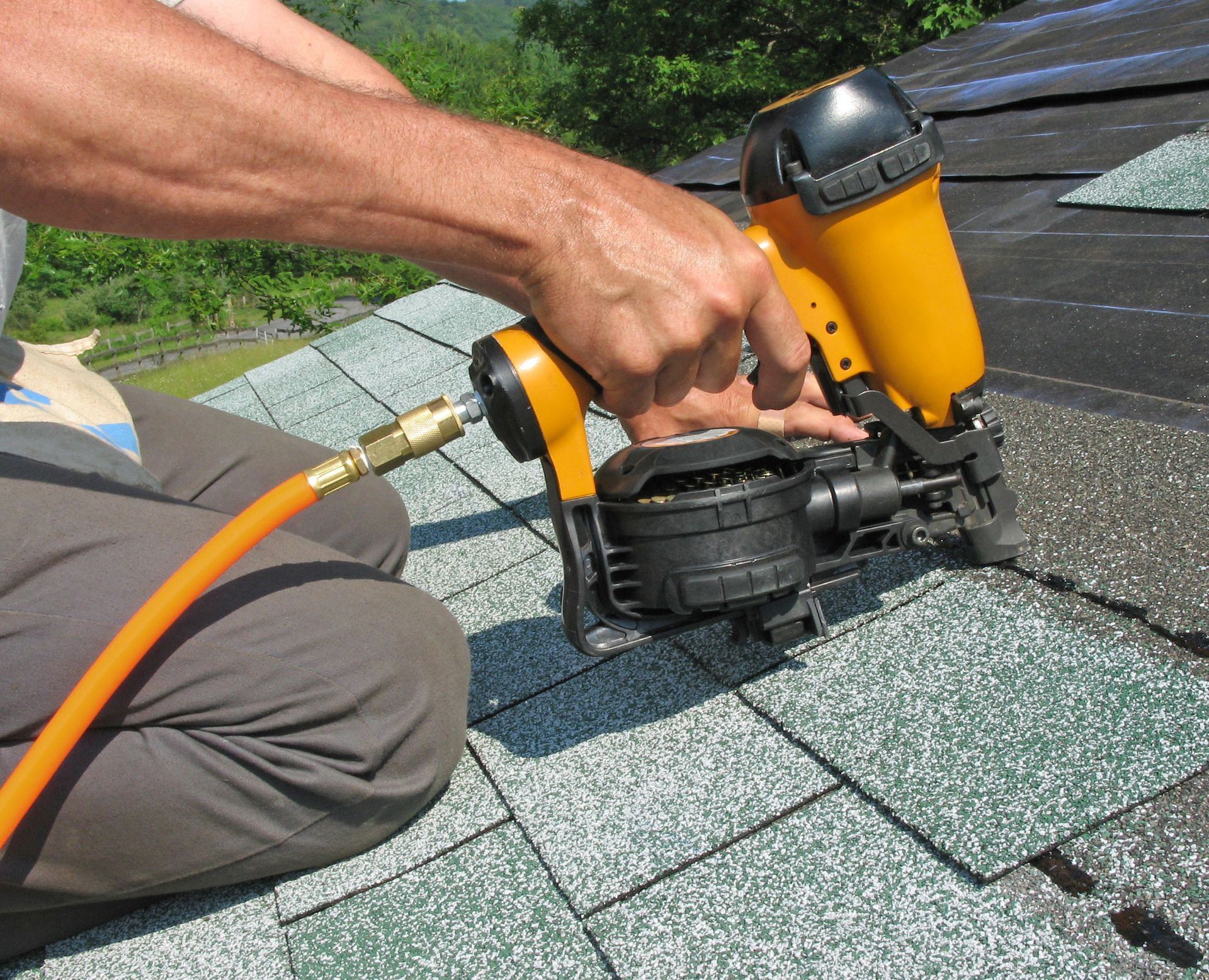
The initial installation process dictates the future performance of your exterior cladding. You can purchase the most expensive materials on the market, but they'll fail prematurely if installed incorrectly. Proper installation requires precise measurements, correct fastener placement, and a thorough understanding of how different materials behave. For example, nailing vinyl panels too tightly prevents them from expanding during hot weather, which causes the panels to buckle and warp.
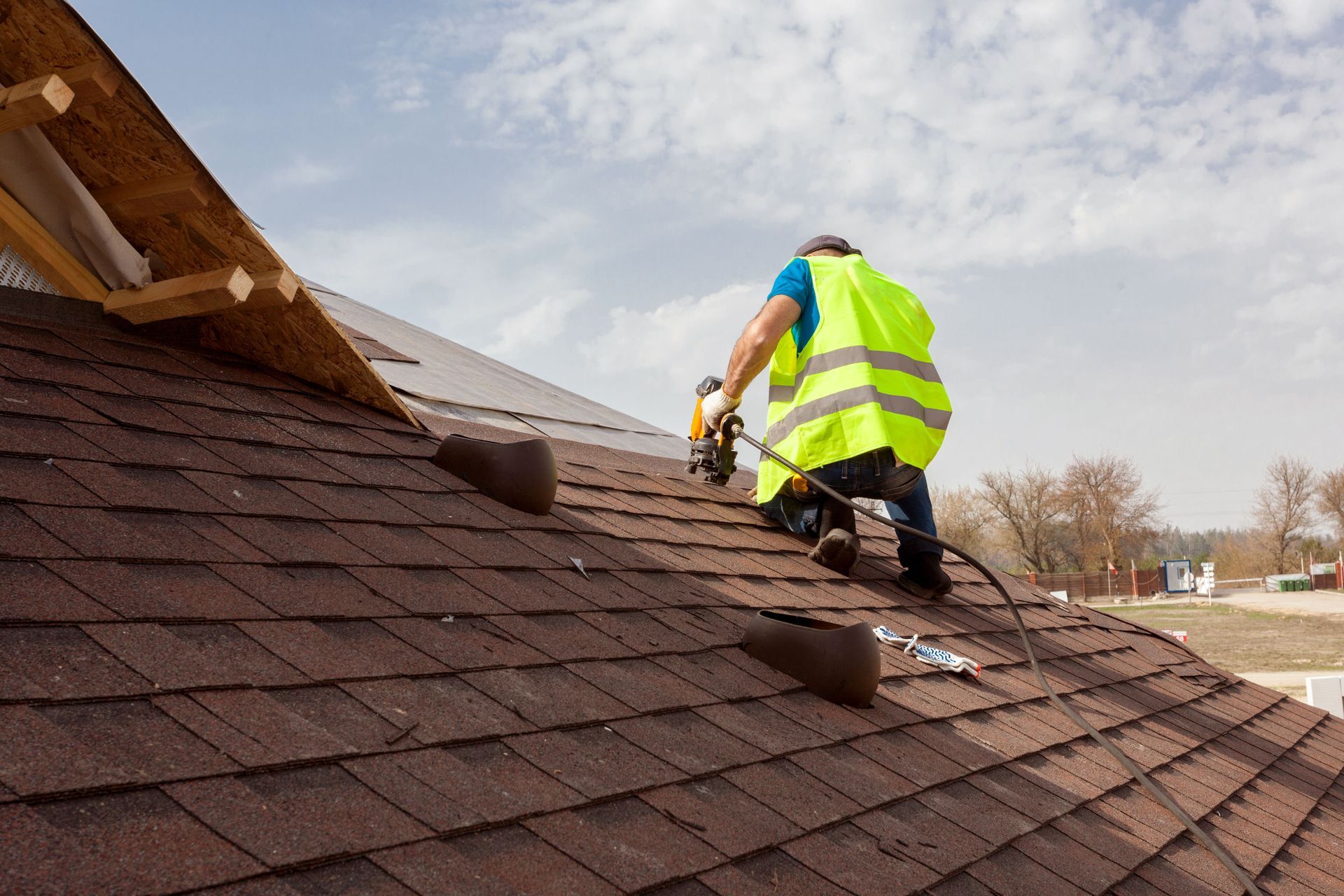
Finding an experienced professional is crucial for a successful project. According to IBISWorld, over 130,000 roofing and siding contractors operate across the U.S. With so many options available, homeowners must carefully evaluate potential hires based on their specific material experience. Not all professionals understand the unique requirements of heavier composite materials or specialized metal panels. Verifying past work and checking manufacturer certifications ensures the crew knows exactly how to handle and install your chosen product.
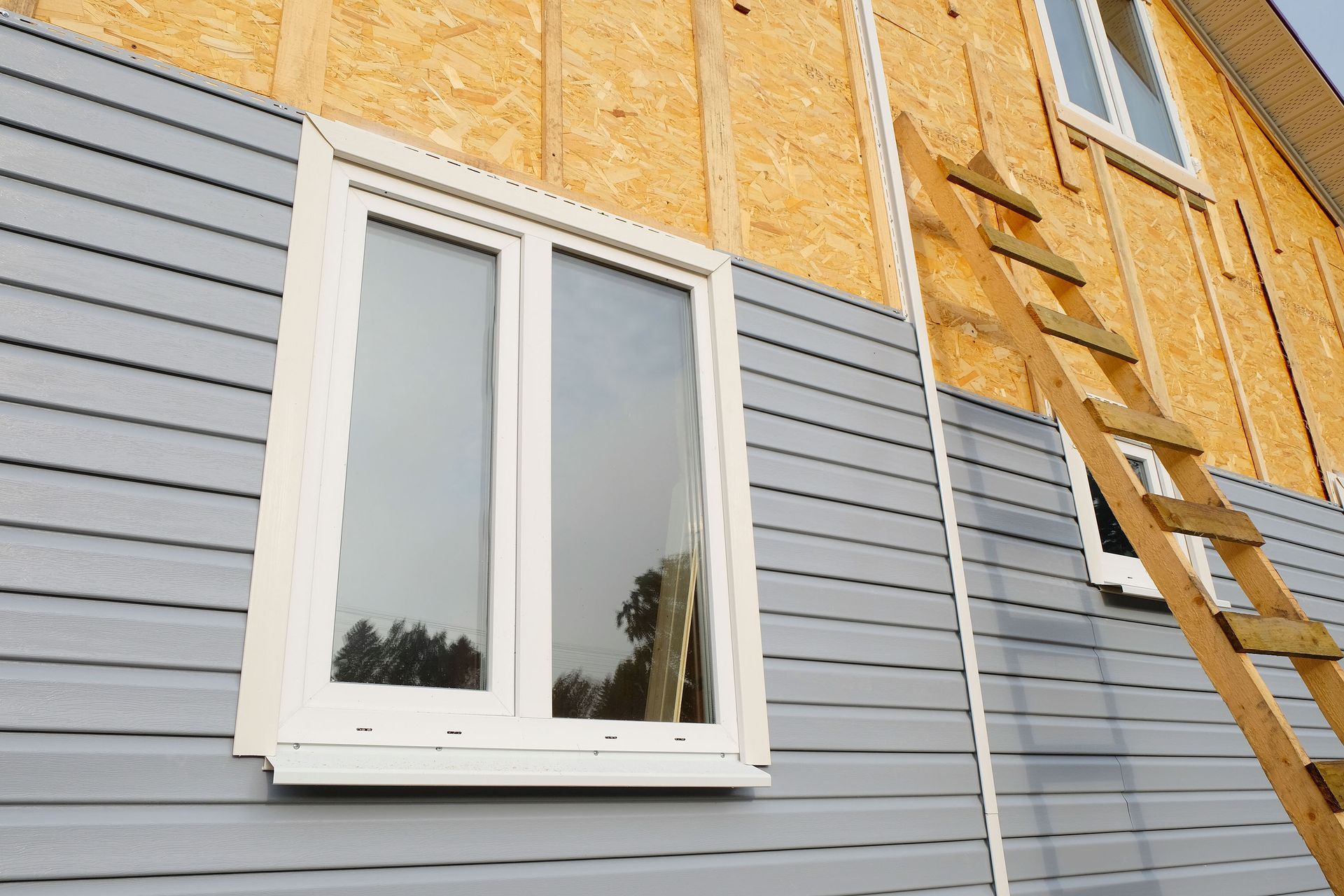
Proper moisture management behind the visible panels is a critical component of professional installation. A high-quality weather-resistant barrier must be applied over the wall sheathing before the exterior boards go up. When a qualified siding contractor installs this membrane correctly, it creates an essential drainage plane. Adequate ventilation and correct flashing details around windows complete a sound installation. This meticulous attention to detail during the installation phase prevents premature failure and guarantees your exterior reaches its maximum lifespan.
Protecting your home requires understanding how material choice, climate, maintenance, and proper installation intersect. You can't control the weather, but you can certainly control how you prepare for it. Choosing appropriate materials for your specific region gives your home a fighting chance against harsh sun and heavy rain. From there, committing to an annual cleaning and inspection routine ensures minor issues never snowball into catastrophic structural damage. Every proactive step you take directly adds years to the life of your exterior walls.
The longevity of your exterior relies heavily on the professionals who put it together. Working with an expert siding contractor guarantees that your investment is protected from day one. Proper installation techniques form the critical foundation that allows your chosen materials to perform exactly as designed.
When you're ready to hire a siding contractor to evaluate or replace your home's siding, contact KRC Roofing and Siding today to schedule a consultation.