By Kory Routley
March 30, 2026
Your roof is more than just a covering over your head—it’s a vital barrier that protects your home from weather, moisture, and structural damage. While roofs are designed to be durable, they are not immune to wear and tear. Cracked or missing shingles, granules in your gutters, and a sagging roof deck are all warning signs that something may be wrong. These issues often start small but can quickly escalate if left unaddressed, leading to leaks, mold growth, reduced energy efficiency, and even structural instability. Regular inspections and early detection are key to catching problems before they become costly repairs. By understanding what to look for and acting promptly, homeowners can safeguard their property, maintain comfort, and extend the lifespan of their roof with the help of roofing contractors.
1. Cracked or Missing Shingles
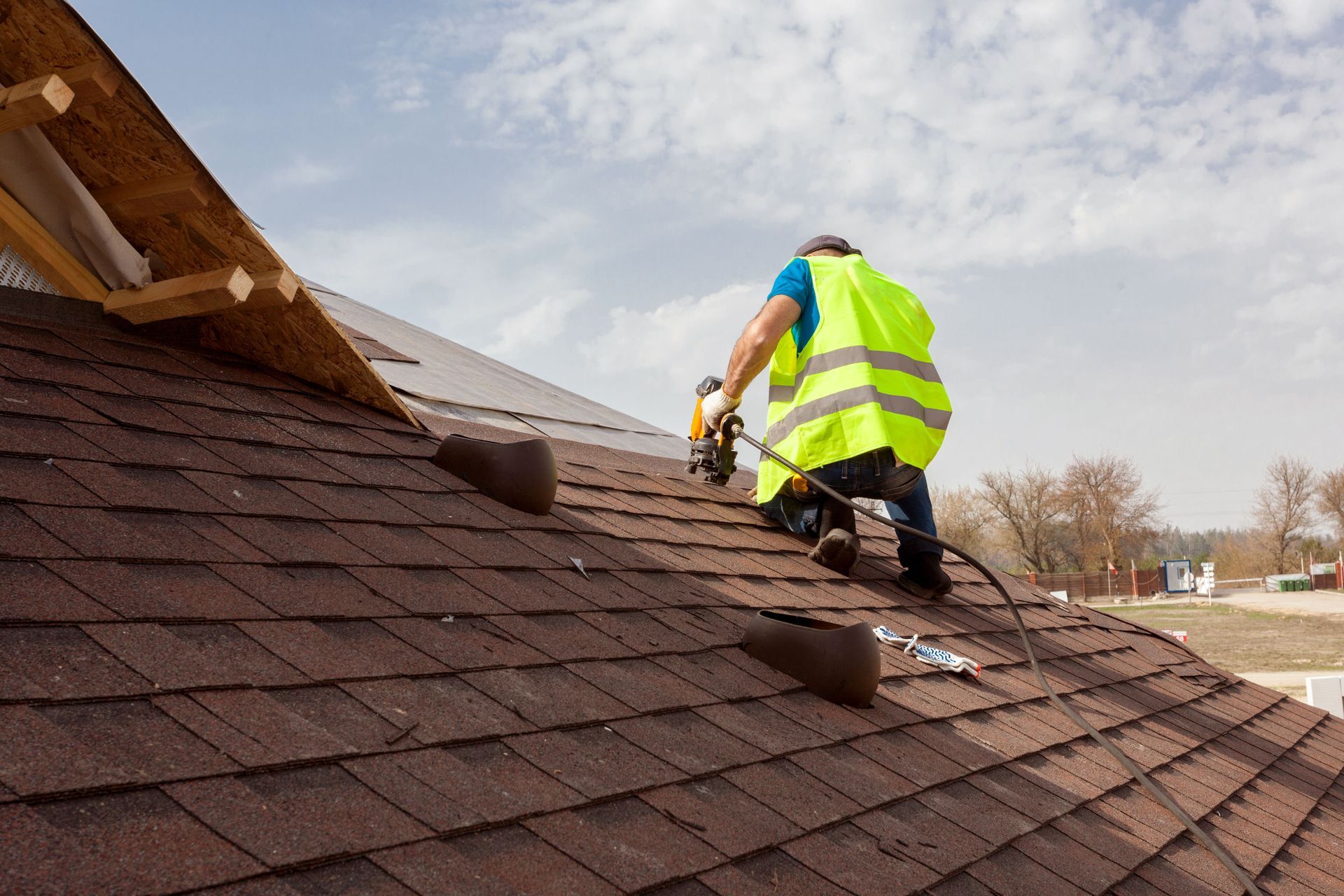
Cracked or missing shingles are among the clearest indicators of potential roof issues. Conducting regular visual inspections can help homeowners identify shingle damage early. Focus on spots where the shingles appear worn or where there are visible gaps. Inclement weather and aging are common contributors to shingle damage, leading to potential roof vulnerability. Early detection through visual inspections can prevent subsequent damage to the roofing structure and interior of the home.
Shingle damage can occur due to a variety of factors, including extreme weather conditions like hail and wind. Additionally, poor installation can be a precursor to premature shingle aging and damage. Over time, UV exposure can lead to the deterioration of the asphalt layers, making them brittle. Trees and debris falling onto the roof can also result in cracked or displaced shingles. Understanding these causes can help in implementing preventive measures to protect your roof.
Ignoring damaged shingles can escalate into more severe roofing issues, such as leaks and roof deck degradation. When water seeps through these gaps, it can lead to mold growth and rot within the roof structure. Additionally, the insulation of your home may be compromised, leading to higher energy bills. According to Bob Vila, asphalt shingle roofs have an expected lifespan of 15 to 30 years, but neglect can significantly reduce their longevity. Hence, addressing damaged shingles promptly with roofing contractors is crucial to maintaining the roof's integrity.
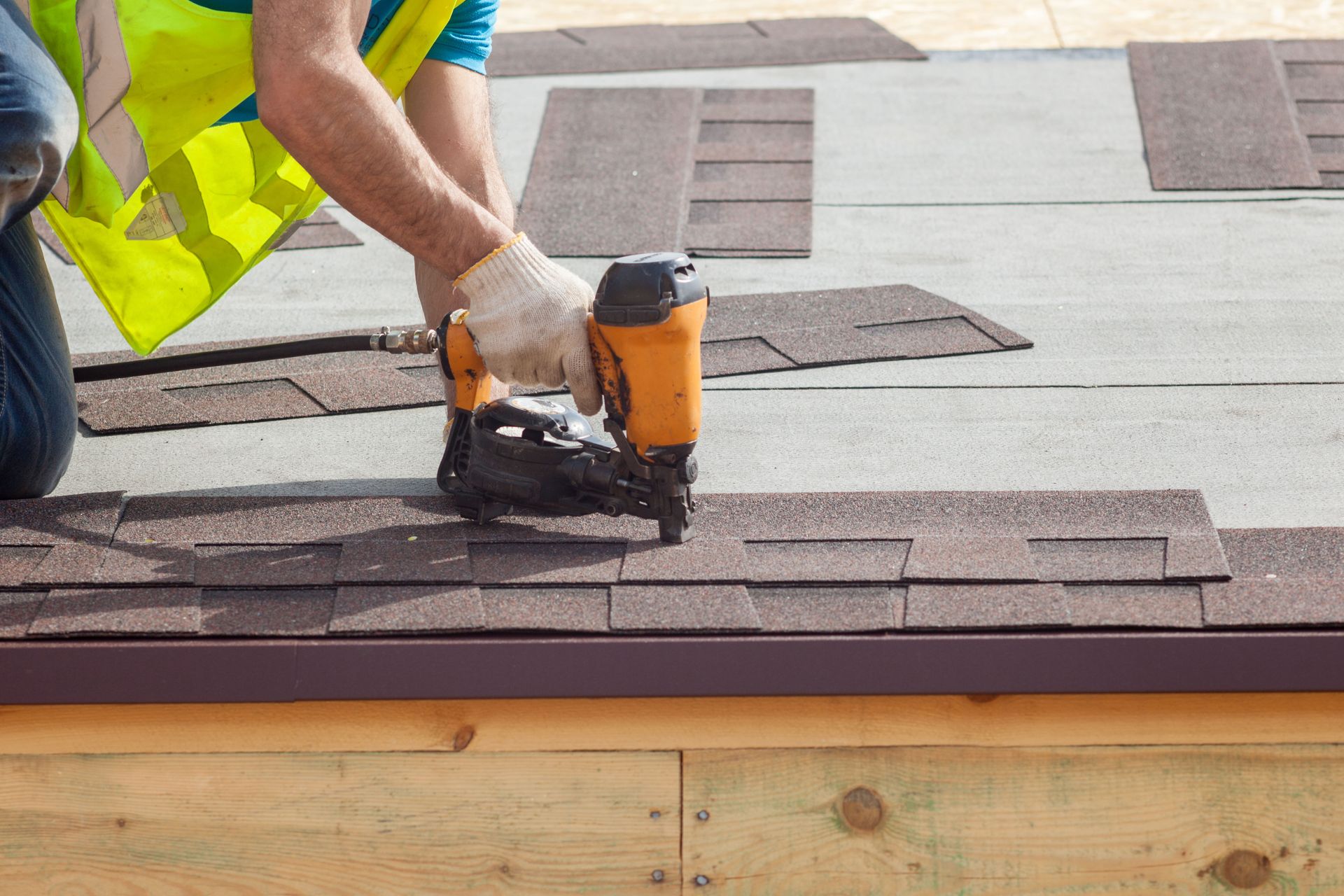
Minor shingle repairs are a cost-effective way to extend the life of your roof. Replacing individual shingles, when done early, can prevent larger areas from needing replacement. DIY repairs might be feasible for minor issues, but complex or extensive damage should be handled by professionals to ensure proper installation. Purchasing high-quality shingles and adhesive materials can offer better protection against future damage. Regular maintenance and timely repairs are investments that save money in the long run.
Preventing shingle damage requires proactive maintenance and inspection schedules from roofing contractors. Ensuring that the roof's drainage system is clear of leaves and debris prevents water accumulation, which can damage shingles. Apply a protective roof sealant to enhance shingle resilience against environmental stressors. Trim trees near the house to avoid branches falling and damaging the roof during storms. Periodic professional inspections can help identify potential issues before they develop into significant problems.
2. Granules in Your Gutters
Granules are an essential component of asphalt shingles, providing UV protection and aesthetic color. These small mineral particles act as a protective layer, helping to prolong the roof's lifespan by shielding the underlying asphalt from the sun's rays. As the roof ages, it is normal for some granules to come loose, particularly after a storm or heavy rainfall. However, excessive granule loss can expose the asphalt, accelerating deterioration and reducing roof effectiveness. Homeowners should periodically check their gutters for an accumulation of granules as an indicator of potential issues.
Several factors contribute to granule loss, including natural aging, severe weather, and poor roof installation. Over time, as shingles are continuously exposed to the elements, the bonding agents that hold granules in place may weaken, causing them to dislodge. High winds and hail can knock granules off, while improper handling during installation can create weak spots. Regularly assessing the condition of your shingles can help detect granule loss and mitigate its impact on the roof's performance.
Granule loss is more than an aesthetic issue—it's a sign that your shingles may no longer perform effectively. Without the protective layer of granules, the asphalt can break down faster, leading to leaks and structural issues. Over time, granules also contribute to the roof's energy efficiency, helping to reflect heat and reduce cooling costs. Significant granule loss can therefore result in higher energy bills as the effectiveness of these properties diminishes. Prompt action with the help of roofing contractors can address granule loss and prevent more extensive repair needs.
Severe granule loss is typically observed by the presence of smooth, shiny shingles, which suggest exposure of the underlying asphalt. Additionally, large amounts of granules in gutters or beds of granules around the downspouts indicate a real problem. Balding shingles that clump together, causing uneven surfaces, also signify significant granule loss. It's important to address severe granule loss quickly to maintain the roof's integrity and avoid leaks. Professional inspection is often recommended to assess the extent of the damage accurately.
3. Sagging Roof Deck
Early detection of a sagging roof deck is critical to prevent serious structural damage. Visibly uneven rooflines, apparent dips, or noticeable sags when viewed from a distance are telltale signs. Indications also include ceiling sagging within the home, which suggests internal pressure pushing downward. Increased strain over time, from weather conditions and insufficiently supported structures, leads to sagging. Identifying sagging early with the help of roofing contractors can prevent catastrophic failures and costly repairs.
Several factors can contribute to a roof deck's sagging. Poor structural support due to undersized or improperly installed rafters can compromise the roof deck. Water damage from leaks often leads to a weakening of the decking material, causing it to sag. Accumulated snow or debris adds excess weight, exacerbating sagging in vulnerable roof structures. Long-term neglect and improper initial construction are also significant contributors to a sagging roof deck.
A compromised roof deck can result in multiple issues, including leaks and structural instability. Moisture can permeate the attic and walls, affecting the home's insulation and causing mold growth. Over time, a weakened roof deck may lead to collapsed sections, posing safety risks to occupants. Additionally, sagging can reduce property value and increase insurance premiums.
Professional assessment from roofing contractors is crucial for accurately diagnosing the cause and extent. Roofers can determine whether structural reinforcement or complete deck replacement is necessary. If detected early, some sagging can be corrected through reinforcement of existing rafters and decking. Advanced sagging, indicative of a profoundly compromised structure, necessitates extensive repair. Engaging professional services ensures proper techniques and materials are used for a long-term solution.
A healthy roof is critical to your home’s safety, comfort, and value. Ignoring signs like damaged shingles, excessive granule loss, or a sagging roof deck can result in serious issues, from water damage and mold growth to structural failure and increased energy costs. The good news is that many roofing problems are preventable—or easily repairable—if identified early. Scheduling regular professional inspections and addressing repairs promptly ensures your roof continues to perform at its best. Don’t wait for a small issue to turn into a major headache.
Contact KRC Roofing & Siding today to talk with roofing contractors about assessing your roof, recommending solutions, and giving you peace of mind that your home is protected for years to come.